The End of the Waiting Game: Why 2025 is the Year of Parametric Insurance
From claims and adjusters to instant payouts, parametric insurance transforms disaster response through data, automation, and objective triggers worldwide today


The insurance industry is historically famous for being slow. In a traditional "indemnity" model, if a disaster strikes, you file a claim, wait for an adjuster to visit the site, wait for the damage to be assessed, and then—weeks or months later—hopefully receive a payout.
What is Parametric Insurance? (The "If-Then" Model)
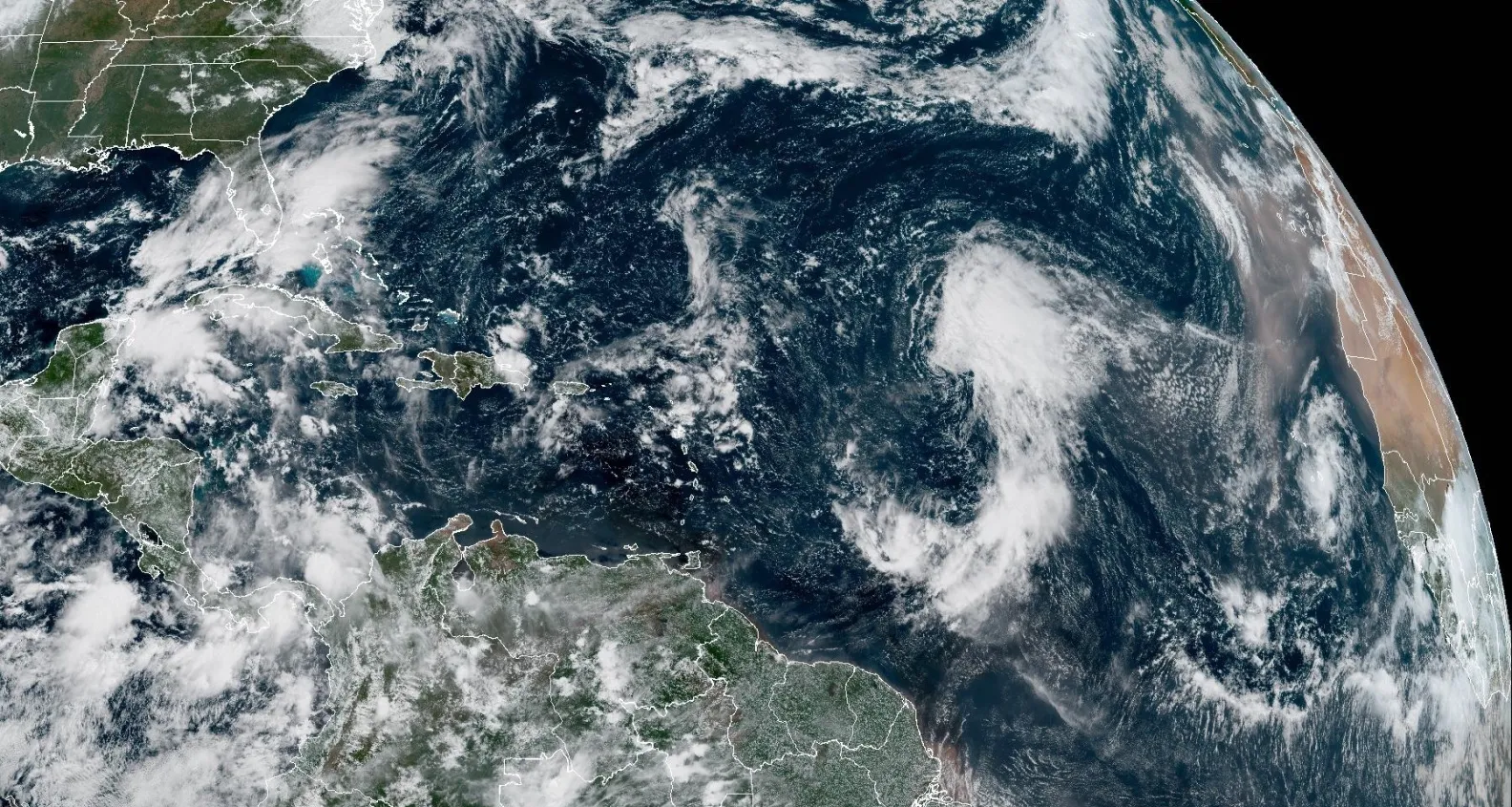
Unlike traditional insurance which pays for the actual loss incurred, parametric insurance pays a pre-agreed amount based on a specific trigger. The logic is simple: If a parameter (like wind speed, earthquake magnitude, or rainfall) hits a certain threshold, then the payout is triggered automatically.
"The storm broke my roof; here are the photos and receipts. Please pay me."
"The wind speed hit 150 km/h at your GPS coordinate. Here is your $5,000. Use it however you need."
India: The Global Laboratory for Parametric Scale
While many global markets are still in the "pilot" phase, India has already achieved a scale that the rest of the world is studying. Through massive government-backed agricultural and social schemes, India has proven that data-triggered insurance is a national necessity.
- •RWBCIS (The Pure Pioneer): The world’s most significant weather-index scheme. It monitors Automatic Weather Stations (AWS). If rainfall is too low or temperatures are too high, the payout triggers automatically. No surveyors needed.
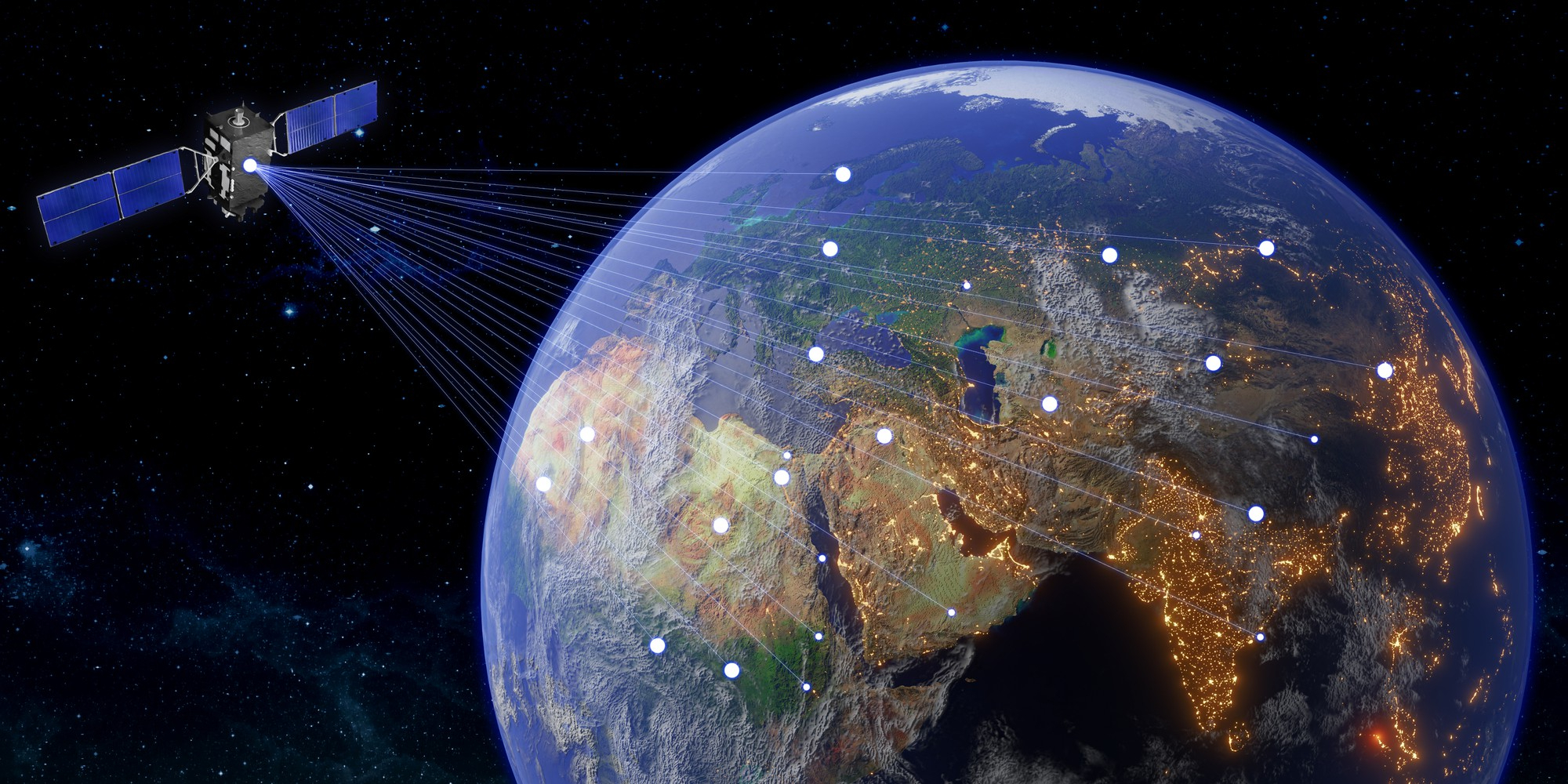
- •BSB (Bangla Sasya Bima): In West Bengal, the BSB scheme is a flagship for tech-based protection, leveraging satellite imagery to remove human bias.
- •PMFBY & YES-TECH: By integrating YES-TECH (Yield Estimation System using Technology), India is replacing manual field checks with AI and satellite "triggers" to kill settlement delays.
Who is Leading the Charge? (India 2025 Market Update)
This year has seen a surge of specialized parametric products from both public and private giants:
United India Insurance (UIIC)
Through its Param Mitra Suraksha product, UIIC has introduced farm plot–level parametric insurance for agricultural crops, where payouts are triggered by localized weather deviations.
New India Assurance (NIA)
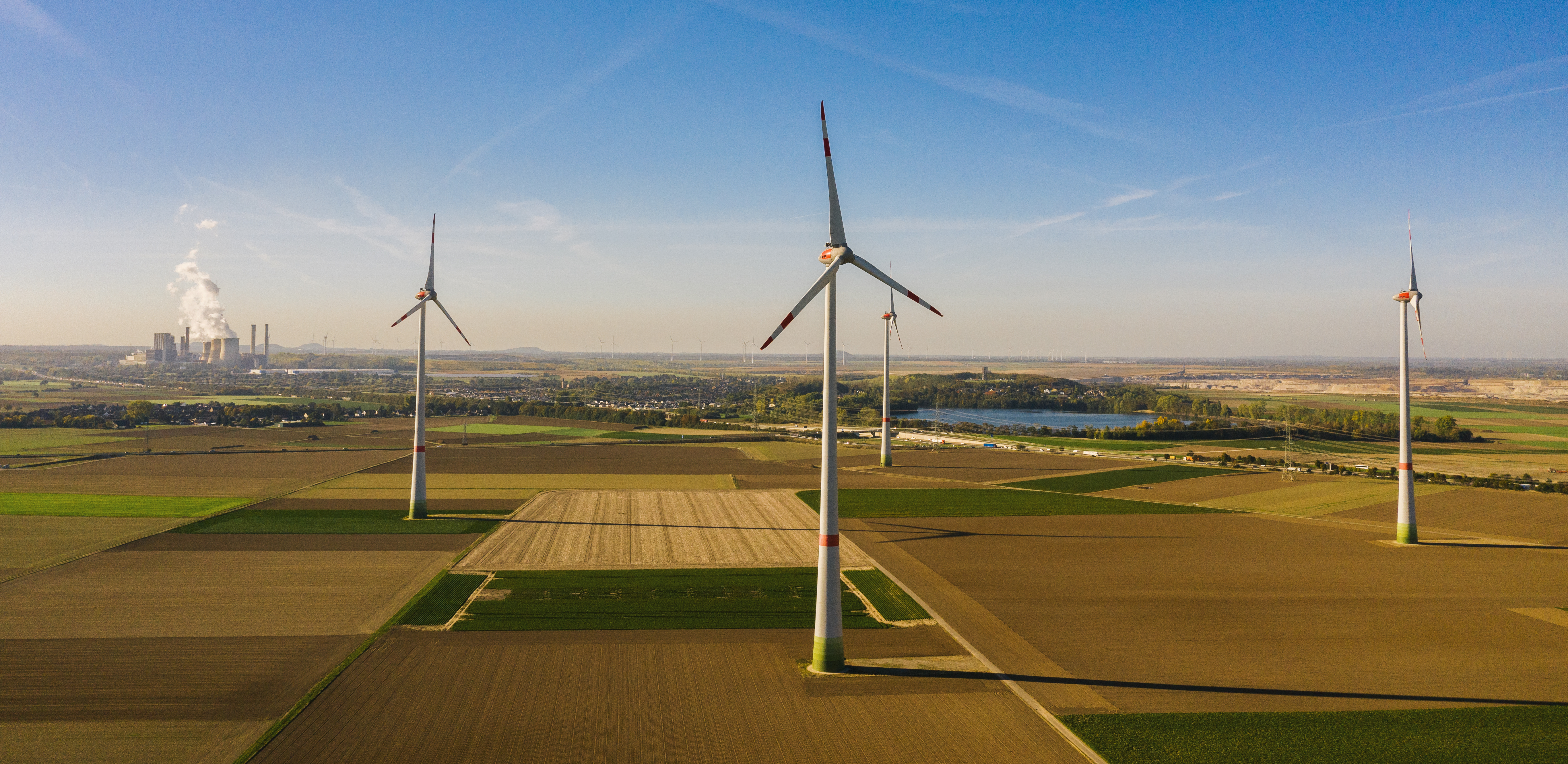
Their Nischit Suraksha product has made major progress in the renewable energy sector. It protects solar and wind farms against "resource volatility"—automatically paying out if cloud cover is too high or wind speeds are too low to generate the expected power.
SBI General Insurance
The primary partner for the Nagaland Disaster Risk Transfer (DRTPS), providing a state-wide safety net for infrastructure against natural calamities like excess rainfall.
Bajaj Allianz General Insurance
Recently unveiled ‘ClimateSafe,’ a retail-focused parametric cover that settles claims within seven days for extreme heat, cold waves, or excessive rainfall.
Generali Central Insurance
In a landmark collaboration with the World Bank, they have pioneered a parametric product for aquaculture in Assam. This protects fish farmers against "Cold Wave" and "Temperature Swing" events that devastate yields—a vital safety net for a sector where traditional damage assessment is nearly impossible.
A Global Explosion: The Numbers
Parametric insurance has moved from a niche "alt-risk" experimental tool to a core financial strategy. The market has seen a meteoric rise over the last five years:
| Year | Market Size (USD Billion) |
|---|---|
| 2020 | $10.1 |
| 2021 | $11.7 |
| 2022 | $13.5 |
| 2023 | $15.8 |
| 2024 | $18.7 |
| 2025 (Projected) | $21.1 |
Source: Data synthesized from Global Market Insights (2024) and The Business Research Company (2025)
Key Growth Metrics
- The CAGRBetween 2020 and 2025, the sector has maintained a Compound Annual Growth Rate (CAGR) of approximately 12.7%.
- The 2030+ OutlookMarket analysts project a continuation of this trend, with the market expected to hit $51.3 Billion by 2034 (CAGR of 12.6% for the forecast period).
The Challenge: Solving "Basis Risk"
The biggest hurdle for parametric insurance is Basis Risk—the "gap" where you have a loss but the trigger isn't quite hit. We will discuss on how to minimise this throughout this series.
We are moving from an era of "Repair and Replace" to an era of "Predict and Protect." From the paddy fields of Bengal to the hills of Nagaland, the message is clear: The future of insurance is automated, data-driven, and instantaneous.
Next in the Trigger Point Series:
In our next post, we will expose the hidden enemy of insurance penetration: The Time Tax. We’ll dive deep into the data behind NATCAT claim delays and why speed—not just money—is the ultimate metric for “Insurance for all by 2047”.
Data References
- 1
The Business Research Company (Dec 2025):"Parametric Insurance Global Market Report 2025" confirms the market size reaching $21.1 Billion with a significant shift toward weather-based triggers.
- 2
Global Market Insights (2024-2034 Report):Projects a $51.3 Billion valuation by 2034, noting a 12.6% CAGR driven by corporate adoption of "first-dollar" payment models.
- 3
Swiss Re Institute (Sigma 1/2025):"Natural Catastrophes: Insured losses on trend to USD 145 billion in 2025." This report highlights the 5-7% annual growth in NATCAT exposure and the rising "Protection Gap" that parametric solutions are designed to close.